
Louisiana Swamp Tourism Draws Increased Interest From Adventure Travelers in 2026
Louisiana’s swamps offer a setting where nature, history, and quiet observation come together in a way that leaves a lasting impression”
MARRERO, LA, UNITED STATES, December 19, 2025 /EINPresswire.com/ -- Louisiana’s swamps represent one of the most distinctive natural environments in North America, offering landscapes shaped by centuries of water flow, wildlife migration, and cultural history. As interest in experiential and nature-based travel continues to grow, swamp ecosystems are gaining attention from travelers seeking immersive outdoor experiences rooted in authenticity rather than spectacle. In 2026, Louisiana’s swamps are positioned to draw increased interest from adventure-focused visitors looking for environments that combine ecological depth, regional history, and quiet exploration.— Milton Walker Jr.
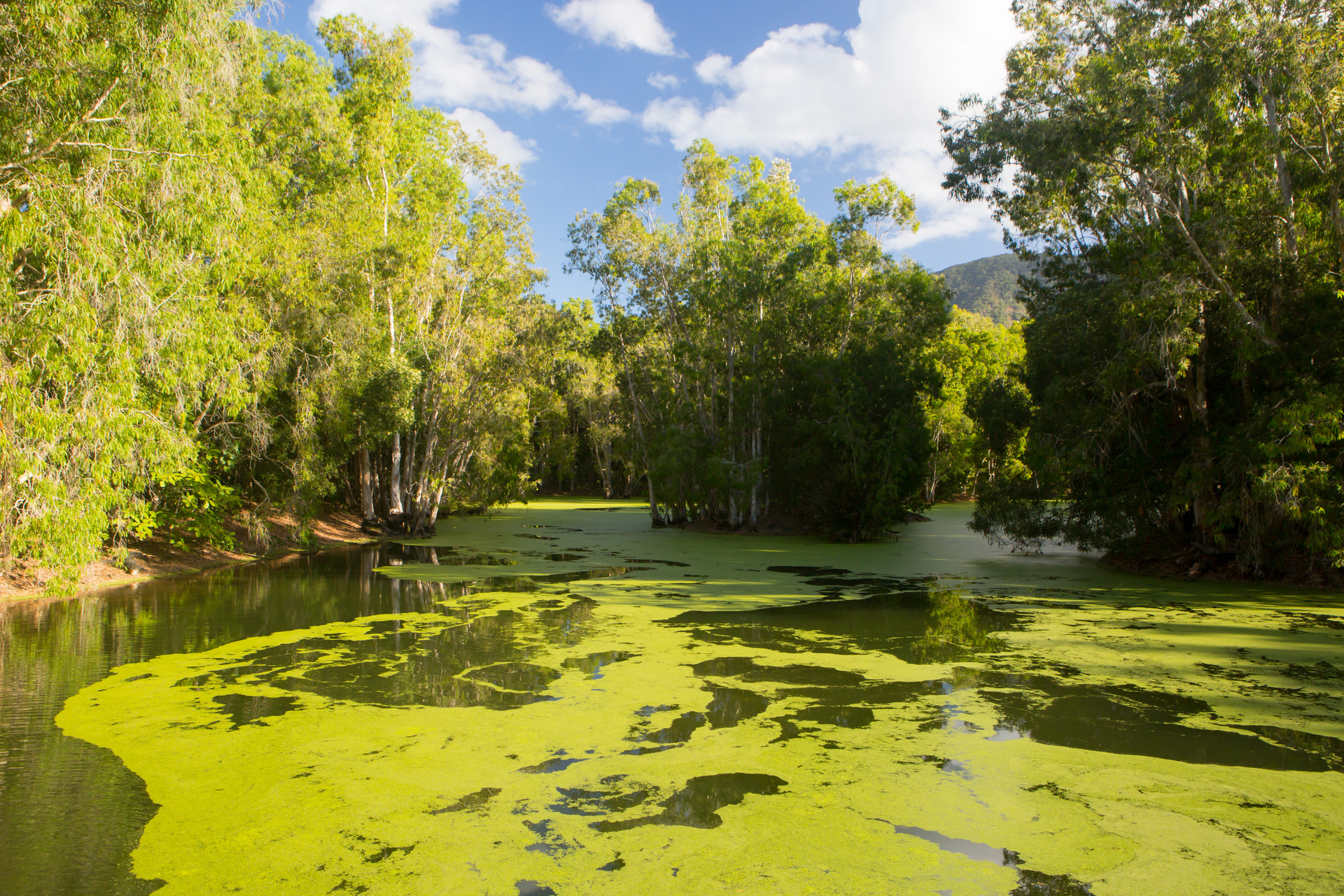
The swamp is not a static environment. Cypress trees rise from slow-moving waters, Spanish moss shifts with subtle wind changes, and wildlife activity follows rhythms shaped by tides and seasons. This dynamic setting creates a sense of movement and unpredictability that appeals to travelers drawn to environments that feel alive rather than curated. Unlike traditional outdoor destinations defined by trails or overlooks, swamps offer layered perspectives that change with light, water levels, and time of day.
Wildlife observation remains a central component of the swamp experience. Alligators, wading birds, turtles, and a wide range of fish species coexist within interconnected waterways. Seasonal patterns influence visibility and behavior, making each visit distinct. For adventure seekers, the opportunity to observe wildlife within its natural habitat provides an experience grounded in patience and awareness rather than speed or volume.
Environmental interest is another factor driving attention toward swamp exploration. Wetlands play a critical role in flood mitigation, water filtration, and biodiversity preservation. Visitors increasingly seek destinations that offer educational value alongside recreation. Swamp environments provide firsthand exposure to ecosystems that support coastal resilience and environmental balance, particularly in regions facing climate-related challenges.
Cultural context adds another layer to the appeal. Louisiana’s swamps are deeply intertwined with the state’s history, folklore, and regional identity. Indigenous communities, early settlers, and modern residents have all adapted to life shaped by wetlands. This history informs local architecture, cuisine, and storytelling traditions. Exploring the swamps provides insight into how geography influences culture over time.
Technological shifts in travel planning also contribute to growing interest. Travelers are increasingly guided by visual discovery through digital platforms that highlight unique landscapes and lesser-known environments. Swamps, with their dramatic reflections, mist-covered waterways, and ancient trees, translate strongly through visual media while retaining depth beyond imagery alone.
Another factor influencing travel trends is the desire for guided experiences that emphasize safety and environmental respect. Swamp environments require local knowledge to navigate responsibly. Understanding water patterns, wildlife behavior, and seasonal conditions supports both visitor safety and ecosystem preservation. Guided access allows travelers to engage more deeply while minimizing environmental impact.
Milton Walker Jr., owner of Louisiana Tour Company in Marrero, Louisiana, highlighted the growing interest in swamp-based exploration among travelers seeking meaningful outdoor experiences.
“Visitors are increasingly drawn to environments that feel original and unfiltered,” said Milton Walker Jr.. “Louisiana’s swamps offer a setting where nature, history, and quiet observation come together in a way that leaves a lasting impression.”
Seasonal accessibility further enhances the appeal of swamp travel. Mild winters and extended shoulder seasons allow exploration during periods when other destinations experience crowding or limited access. Changing water levels and seasonal wildlife activity create varied experiences throughout the year, encouraging repeat visits rather than one-time stops.
Adventure seekers often prioritize destinations that offer immersion without excessive infrastructure. Swamps provide a sense of remoteness while remaining accessible from urban centers such as New Orleans. This balance supports travel experiences that feel removed from routine without requiring extensive travel logistics.
The rise of interest in slow travel also aligns with swamp exploration. Moving through waterways at a measured pace encourages observation, reflection, and engagement with surroundings. This approach contrasts with itinerary-driven tourism and supports a deeper connection to place.
Educational institutions, photographers, and nature enthusiasts continue to recognize the value of wetland environments for study and creative work. The swamps serve as living classrooms where ecological processes can be observed directly. This educational dimension adds depth to travel experiences beyond recreation alone.
Louisiana’s swamps also reflect broader conversations about conservation and environmental stewardship. Experiencing these ecosystems firsthand fosters appreciation for preservation efforts and the importance of wetlands to regional stability. Awareness gained through exploration often shapes how visitors view environmental challenges beyond the trip itself.
Louisiana Tour Company operates within this landscape, offering access to swamp environments that highlight ecological and cultural significance. The continued interest in authentic, place-based travel positions Louisiana’s swamps as a compelling destination for adventure seekers in 2026.
As travel preferences evolve, destinations that combine natural complexity, cultural depth, and experiential learning continue to gain relevance. Louisiana’s swamps offer an environment shaped by time, water, and history, providing adventure seekers with a destination that rewards curiosity and attentiveness. In 2026, these wetlands stand as a testament to the enduring appeal of landscapes that invite exploration without spectacle and discovery without haste.
Morgan Thomas
Rhino Digital, LLC
+1 504-875-5036
email us here
Visit us on social media:
Facebook
Legal Disclaimer:
EIN Presswire provides this news content "as is" without warranty of any kind. We do not accept any responsibility or liability for the accuracy, content, images, videos, licenses, completeness, legality, or reliability of the information contained in this article. If you have any complaints or copyright issues related to this article, kindly contact the author above.
