
Research presented at the World Economic Forum points to global risks
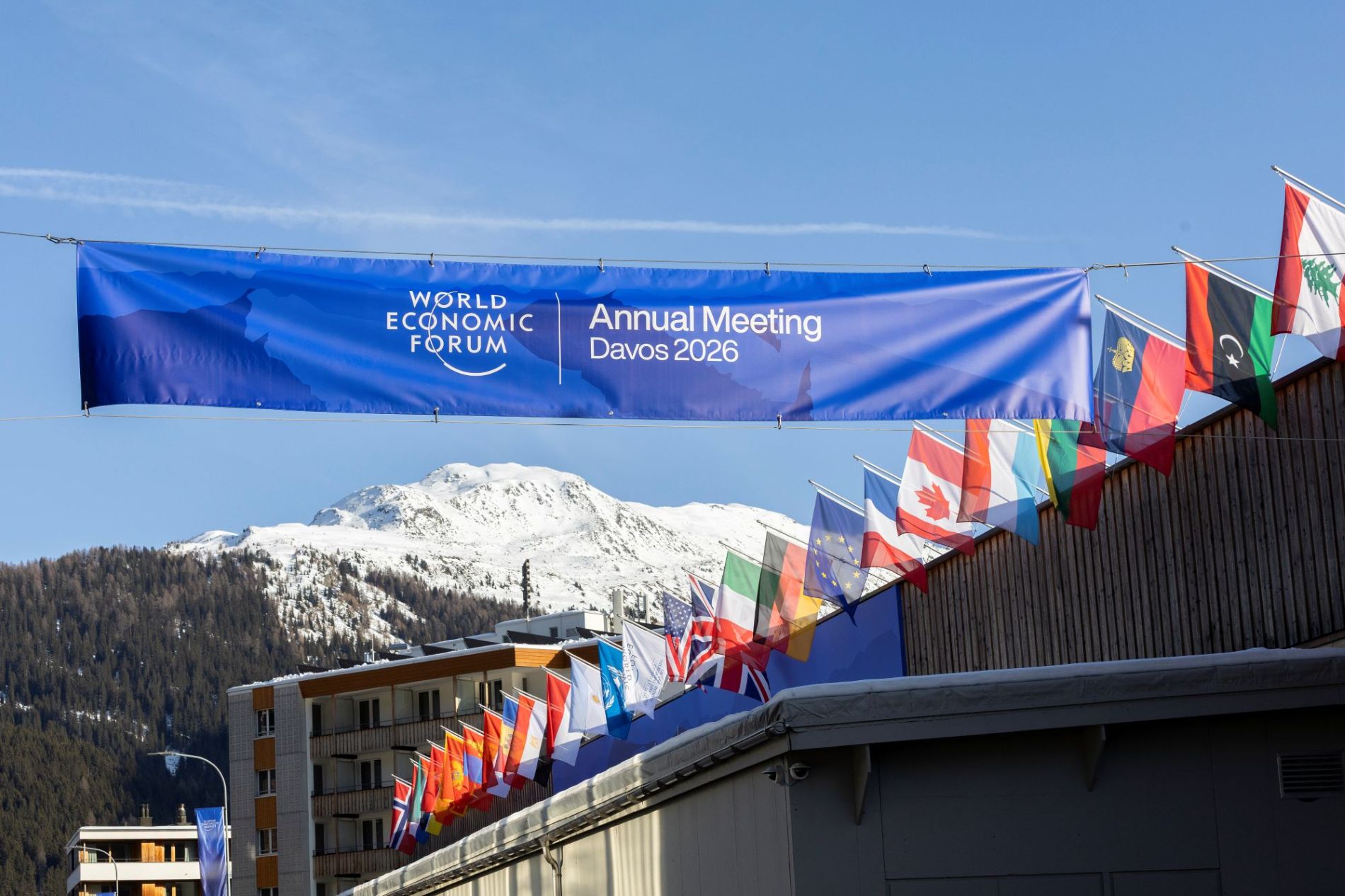
World Economic Forum / Foto: Divulgação
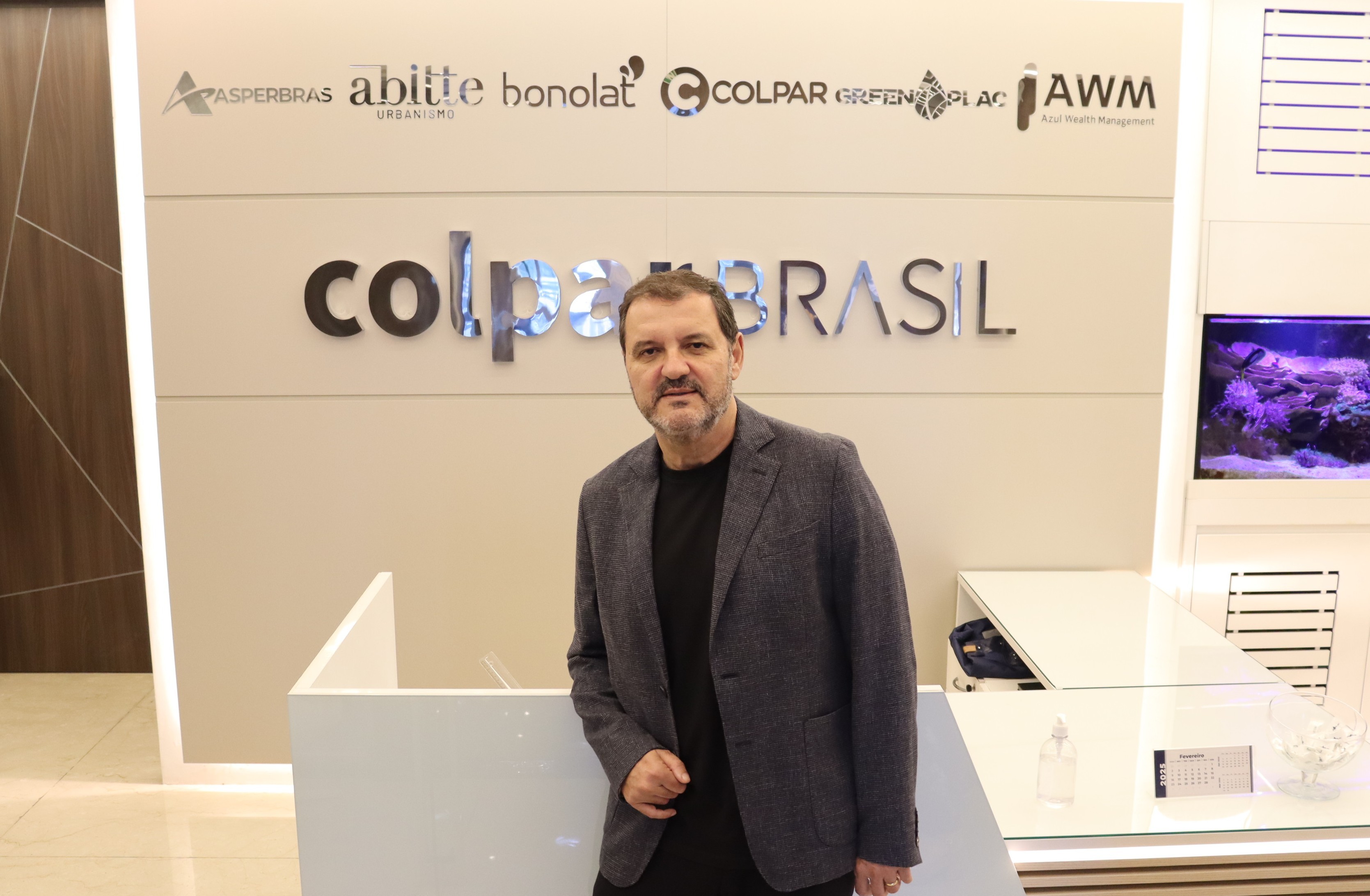
José Maurício Caldeira, partner and member of the Board of Directors of Colpar Brasil
“Uncertainty is no longer cyclical and now forms part of the structural landscape of the global economy,” says businessman José Maurício Caldeira
SãO PAULO, SãO PAULO, BRAZIL, February 9, 2026 /EINPresswire.com/ -- The annual meeting of the World Economic Forum, held in Davos, Switzerland, and bringing together the world’s leading political and economic leaders, reinforced the perception that the world is going through a period of prolonged instability. In this scenario, geopolitical, economic, and technological factors combine to heighten global risks, affecting the business environment.“The reports and studies presented at the meeting indicate that uncertainty has ceased to be cyclical and has become part of the structural landscape of the global economy,” says José Maurício Caldeira, partner and member of the Board of Directors of Colpar Brasil, a holding company operating in several segments such agribusiness, industry and urban development.
The Global Risks Report 2026, one of the main documents discussed at the forum, indicates that most experts expect a turbulent global environment in the coming years. Geoeconomic confrontations, disinformation, and political polarization rank among the risks most likely to trigger crises in the short term.
Over a ten-year horizon, environmental issues prevail among the main threats. Extreme weather events top the list, followed by biodiversity loss with ecosystem collapse and critical changes in the planet’s environmental systems. Disinformation and potential adverse effects of Artificial Intelligence were listed next.
This context is directly reflected in companies’ perceptions. According to a survey by the World Economic Forum, 43% of global executives stated that doing business in 2025 was more difficult than in the previous year, while only a minority perceived any improvement. Trade barriers, regulatory instability, restrictions on the movement of capital and talent, as well as the deterioration of trust between countries, were cited factors behind this outcome.
In addition to macroeconomic and geopolitical risks, Davos also highlighted growing dangers in the digital sphere. The Global Cybersecurity Outlook, released by the Forum in partnership with consultancy Accenture, shows that the rapid digitalization of economies, combined with the spread of AI and the intensification of rivalries between countries, has significantly expanded the cyberattack surface.
The study warns that many organizations and governments are still not prepared to deal with more sophisticated threats, which could compromise critical infrastructure, financial system, and sensitive data, amplifying the economic impacts of potential crises. “Cybersecurity is one of the major challenges of our time, both for companies and for the public sector,” notes José Maurício Caldeira.
Another highly relevant topic discussed at the meeting was the transformation of global value chains. A report titled Global Value Chains Outlook 2026 points out that volatility in international trade has ceased to be episodic and has become structural. Geopolitical shocks, protectionist policies, regional conflicts, and technological changes are reshaping production and logistics flows on a global scale.
For companies, this means higher costs, greater operational complexity, and the need to redesign supply strategies, often prioritizing resilience over efficiency. According to the report, in 2025 alone, tariff disputes triggered by measures such as the tariff hikes promoted by the United States reorganized more than US$400 billion in global trade flows.
Brazil participated in the Forum by debating, among other topics, the priorities and challenges of the global energy transition, an area in which it is one of the world’s leading players. With the approval of important legal framework in recent years, such as laws on hydrogen, offshore wind energy, and fuels of the future, the country says it is ready to receive investments. “This legal framework certainly enhances legal and regulatory certainty, which is necessary to attract investors,” says José Maurício Caldeira.
Judging by the rally observed in the Brazilian stock market at the beginning of 2026, the global market is indeed seeking opportunities and alternatives to navigate economic, technological, and geopolitical risks at a time when trust among countries and institutions is fragile. Davos once again served as a thermometer for a world searching for ways to deal with an increasingly uncertain future.
Silvania Dal Bosco
ECCO Escritório de Consultoria em Comunicação
+55 11 3888-1144
email us here
Legal Disclaimer:
EIN Presswire provides this news content "as is" without warranty of any kind. We do not accept any responsibility or liability for the accuracy, content, images, videos, licenses, completeness, legality, or reliability of the information contained in this article. If you have any complaints or copyright issues related to this article, kindly contact the author above.
