

4Sight Labs Warns Consumer Wireless Technology Falls Short in Custodial Monitoring Systems

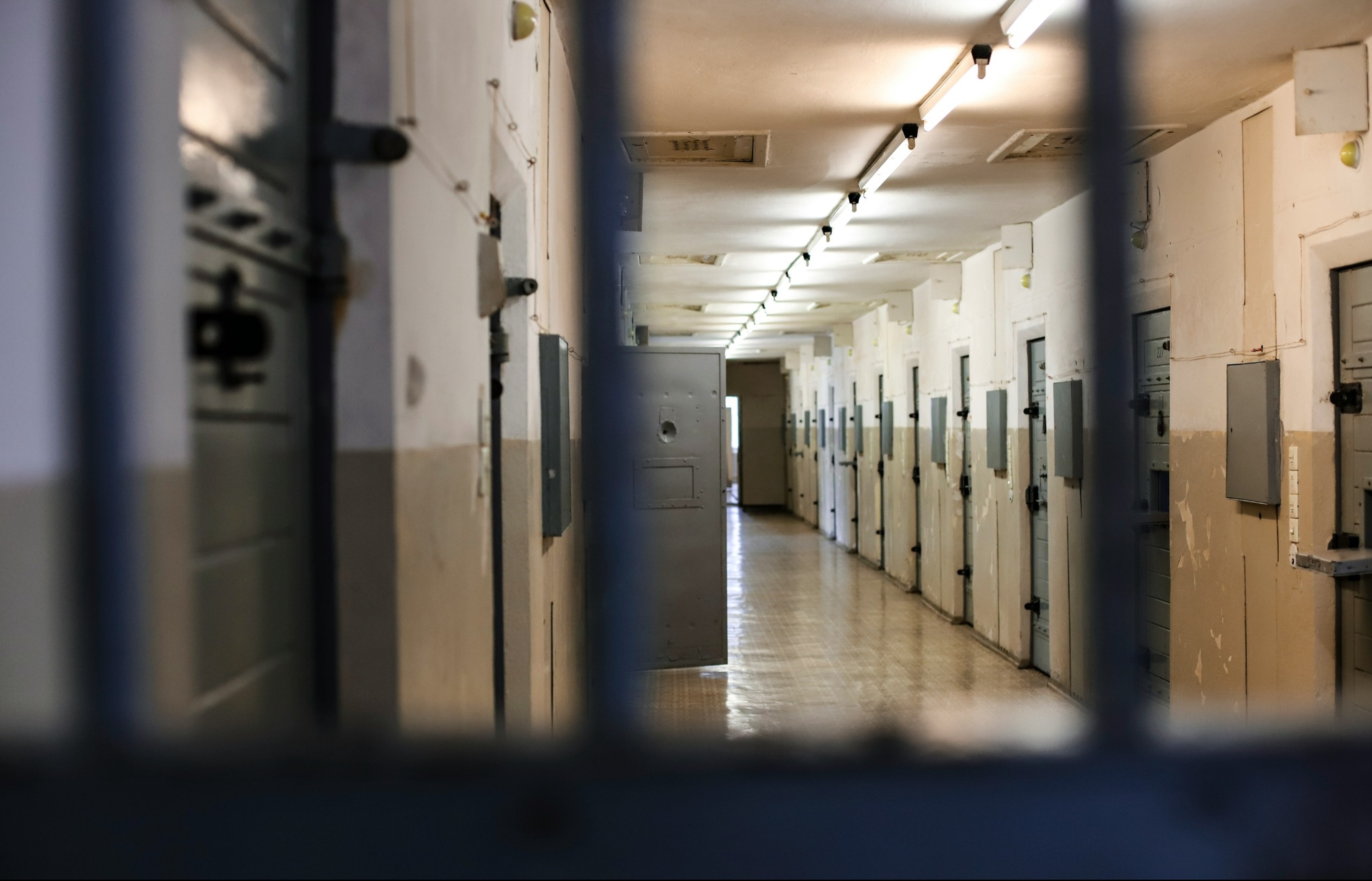
Bluetooth signals can be affected by physical obstructions including reinforced concrete, steel structures, multiple walls, and even the human body. These factors can lead to inconsistent signal strength or coverage gaps in complex buildings.
Company highlights reliability, security, and infrastructure considerations as agencies evaluate wearable monitoring technologies
4Sight Labs, a developer of situational awareness technologies for public safety environments, is encouraging correctional leaders to carefully assess the communications architecture behind wearable monitoring platforms as part of broader efforts to strengthen operational oversight and custodial safety.
The company’s OverWatch® platform was engineered specifically for institutional environments where reliability, security, and operational visibility are essential for supporting officer awareness and response.
Today, the platform supports agencies across multiple states and assists in the monitoring of thousands of individuals in custody across the country, providing early awareness when potential safety or welfare concerns arise. “Custody environments are demanding operational spaces with reinforced structures, constant movement, and high accountability,” said David Sanders, CEO of 4Sight Labs. “Technology used in these settings must be engineered for reliability and security from the start — not adapted from consumer electronics.”
Bluetooth and Bluetooth Low Energy (BLE) Considerations
Many wearable monitoring solutions entering the correctional market rely on Bluetooth or Bluetooth Low Energy (BLE) communications. BLE is a variant of the Bluetooth standard designed to reduce power consumption for consumer devices such as fitness trackers, headphones, and smart home sensors.
Bluetooth technologies operate within the widely used 2.4 GHz wireless spectrum, which is shared by Wi-Fi networks, IoT devices, wireless cameras, and numerous other electronics. In dense operational environments such as detention facilities, these overlapping signals can create congestion or interference that may affect connectivity and performance.
Security researchers have also documented several Bluetooth-related vulnerabilities over the years — including techniques such as Bluesnarfing, Bluejacking, and BlueBorne — which have demonstrated weaknesses in pairing, authentication, and device firmware. Additionally, Bluetooth signals can be affected by structural barriers commonly found in correctional facilities, including reinforced concrete, steel infrastructure, multiple walls, and even the human body. These factors can contribute to inconsistent signal strength or coverage challenges in complex institutional buildings. To compensate, Bluetooth-based systems often require a dense network of receivers or gateways distributed throughout a facility in order to maintain connectivity.
Operational Reliability in Custody Environments
In correctional environments, the reliability of monitoring systems can carry significant operational and legal implications.
When wearable technologies are used to support safety or welfare oversight, agencies must be confident that alerts and communications can transmit consistently throughout the facility — even through reinforced structures, crowded wireless environments, and constant movement.
Systems dependent on short-range wireless protocols may require dense receiver networks or frequent signal relays, increasing infrastructure complexity and creating potential gaps in coverage that agencies must carefully evaluate.
Infrastructure Designed for Institutional Operations
Unlike short-range wireless technologies designed primarily for consumer device connectivity, the communications architecture used by the OverWatch® platform was developed specifically for large institutional environments. The system utilizes an institution-hardened, ultra-low-bandwidth wireless architecture engineered for reliable coverage across reinforced structures, multiple floors, and complex facility layouts common in correctional environments.
This mission-critical communications infrastructure allows monitoring devices to maintain dependable connectivity while minimizing infrastructure complexity and network congestion. By focusing on wireless infrastructure engineered for institutional environments, the platform helps agencies maintain reliable situational awareness and operational visibility across large facilities.
Supporting Safer Custody Environments
The OverWatch® platform provides continuous situational monitoring and real-time notification capabilities designed to support officer awareness when potential safety, welfare, or emergency conditions arise within detention environments.
“Public safety professionals deserve tools that perform under the real conditions they face every day,” Sanders said. “Mission-critical communications infrastructure is essential for ensuring reliable situational awareness and supporting the safety and welfare of individuals in custody.”
About 4Sight Labs
4Sight Labs develops situational awareness and monitoring technologies for correctional and public safety environments across the United States. The company’s OverWatch® platform provides continuous monitoring, operational insight, and notification capabilities designed to support safer custody environments and improved emergency response coordination.
For more information visit:
www.4sightlabs.com
Dylan Martinez
4Sight Labs
email us here
Visit us on social media:
LinkedIn
Legal Disclaimer:
EIN Presswire provides this news content "as is" without warranty of any kind. We do not accept any responsibility or liability for the accuracy, content, images, videos, licenses, completeness, legality, or reliability of the information contained in this article. If you have any complaints or copyright issues related to this article, kindly contact the author above.
